Cilantro Lime Shrimp

This cilantro lime shrimp is a healthy, easy dinner recipe that takes just 10 minutes! Serve with rice, in tacos, or as a Mexican-style salad topping.

Cilantro lime shrimp

What’s better than shrimp for dinner? It’s healthy, easy to cook, and delicious: making it the triple threat of weeknight cooking! And here’s our new favorite way to cook it: Cilantro Lime Shrimp! This recipe takes only 10 minutes to make and comes out beautifully tangy and fresh! It pairs perfectly with Mexican-style flavors: serve it with rice, an avocado salad, or in tacos. Or make it into a main dish salad topped with our cilantro dressing. Here’s how to make it!

What’s in this cilantro lime shrimp?

This cilantro lime shrimp is packed with zingy flavor: and it takes less than 10 minutes to put together! Alex and I served it recently with green rice and homemade guacamole and it was an incredibly satisfying healthy dinner recipe! All you need is a handful of ingredients:

  • Large shrimp Fresh or frozen, peeled or unpeeled, tail on or removed; deveined is preferable!
  • Lime juice & zest Use both juice and zest to get the best zingy flavor
  • Cilantro
  • Butter or olive oil Both have great flavor; butter is slightly more savory, oil works for dairy-free
  • Fresh garlic
  • Cumin & cayenne

All you have to do is heat the oil, toss in the shrimp, lime juice and zest, and saute for 1 to 2 minutes per side until opaque. Easy peasy! Head to the full recipe to make it!

Shrimp in saute pan

Step it up: serve with cilantro sauce!

This cilantro lime shrimp comes out with a zesty, fresh flavor. If you want to step it up even more and add an even great cilantro flavor: might we suggest serving with cilantro sauce? Here are two sauces that would be just perfect for dipping or drizzling on top:

  • Creamy Cilantro Dressing Tastes incredible! It takes just 5 minutes and you’ll want to use it on everything: salads, tacos, fries, and more.
  • Easy Cilantro Lime Dressing Fast to whip up and its zesty flavor is perfect: also this one is dairy free!
  • Shrimp Taco Sauce This sauce is basically a cilantro ranch dressing: it amps the cilantro flavor to the next level!
Cilantro lime dressing
Try it with Creamy Cilantro Dressing!

Ways to serve cilantro lime shrimp

This recipe is so versatile: it’s hard to know where to begin! Our favorite is simply to add rice and a salad. But there are so many creative ways to serve it, based on whether it’s a quick weeknight meal or a dinner party! Here are all our favorite ways to serve cilantro lime shrimp!

  1. With Rice and Tomato & Avocado Salad
  2. With Black Beans and Rice
  3. With Mexican Chopped Salad (or atop the salad to turn it into a main dish!)
  4. In Shrimp Tacos
  5. With Homemade Tortilla Chips and Simple Guacamole
  6. With Black Bean Salad
  7. In Lettuce Wraps
  8. With Elote (Mexican Street Corn)
  9. With Classic Margaritas or Cadillac Margaritas
  10. With Homemade Refried Beans
Cilantro lime shrimp

A good lime juicer and zester

This recipe uses lime juice and lime zest to get big flavor! What are the best tools for the jobs? Here’s what we’ve found are the best tools for juicing and zesting citrus:

  • Use a juicer. Alex and I use a juicer to quickly juice limes. Here’s the juicer we use: it works great!
  • For zesting, use a microplane or grater. A microplane makes quick work of zesting! If you don’t have one, use the fine holes on a box grater. For more info, here’s How to Zest a Lime.
How to zest a lime

Is shrimp healthy?

One medium shrimp has only 7 calories, making it a great low-calorie way to a healthy dinner! Shrimp are part of a healthy Mediterranean-style diet. (Here’s more on shrimp nutrition.) The calories & protein in shrimp are as follows:

  • 1 medium shrimp = 7 calories, 1 gram protein
  • 1 jumbo shrimp = 14 calories, 1.5 grams protein

How to thaw frozen shrimp

You can definitely use frozen shrimp for this recipe: it’s not necessarily better than fresh! In facto, if shrimp is frozen right when it’s caught and stays frozen, it’s fresher than fresh fish that has been transported for days. How to thaw frozen shrimp? There are a few different options:

  • Day before: If you think ahead, simply place the frozen shrimp in the refrigerator overnight.
  • Day of: Place the frozen shrimp into a bowl with cold water. Let a small trickle of cold water run into the bowl to keep the water moving. The shrimp should be defrosted in about 15 minutes.
Cilantro lime shrimp

This cilantro lime shrimp recipe is…

Gluten-free, dairy-free (with olive oil) and pescatarian.

Print
Cilantro lime shrimp

Cilantro Lime Shrimp


1 Star2 Stars3 Stars4 Stars5 Stars (5 votes, average: 5.00 out of 5)

  • Author: Sonja Overhiser
  • Prep Time: 6 minutes
  • Cook Time: 4 minutes
  • Total Time: 10 minutes
  • Yield: 4

Description

This cilantro lime shrimp is a healthy, easy dinner recipe that takes just 10 minutes! Serve with rice, in tacos, or as a Mexican-style salad topping.


Ingredients

  • 1 pound large shrimp, deveined (peeled or unpeeled)
  • 1 garlic clove
  • 1/4 teaspoon cumin
  • 1 pinch cayenne
  • 1/4 teaspoon kosher salt
  • 2 tablespoons butter or olive oil
  • 2 tablespoons fresh lime juice, plus zest
  • 1/2 cup fresh cilantro, chopped

Instructions

  1. Thaw the shrimp (see the notes above).
  2. Mince the garlic.
  3. Pat the shrimp dry. In a medium bowl, mix the shrimp with the garlic, cumin, cayenne, and salt.
  4. In a large skillet, heat the butter or olive oil on medium high heat. Cook the shrimp for 1 to 2 minutes per side until opaque and cooked through, turning them with tongs.
  5. Spritz with lime juice and stir in lime zest. Serve immediately.

  • Category: Main Dish
  • Method: Stovetop
  • Cuisine: Mexican

Keywords: Cilantro Lime Shrimp

More shrimp recipes

There are so many delicious and healthy shrimp recipes, it’s hard to keep track! Here are our favorites:

  • Garlic Butter Shrimp HUGE flavor in under 10 minutes! A fast and easy dinner for weeknights or entertaining, it will become your go-to.
  • Shrimp and Broccoli Soy sauce and rice vinegar flavor this shrimp and broccoli, which comes together in minutes! Serve with rice or over noodles.
  • Sheet Pan Shrimp Boil in Oven Want a shrimp boil recipe that’s easy enough for a weeknight? Bake it!

A Couple Cooks - Healthy, Whole Food, & Vegetarian Recipes


from A Couple Cooks https://ift.tt/2U15blq

‘Sober Curious’ Movement Impacts Menus, New Products

Consumers’ growing focus on eating a healthy diet has contributed to the rise of the “sober curious” trend—the interest in non-alcoholic drinks that mirror the complexity of alcoholic beverages.

“There seems to be a collective shift in how our culture relates to consumption,” said Jocasta Hanson, owner of Honey Elixir Bar in Denver.

The bar is known for concoctions such as Unicorn Heart Song, which includes house-made coconut mylk, vanilla butterfly pea flower, rainbow lemurian flowers and other exotic ingredients. Many of the non-alcoholic “potions” on the menu contain herbal crystals, and many of the drinks feature on-trend functional ingredients such as ashwagandha, damiana and tribulus. Honey Elixir Bar also offers a selection of more traditional cocktails with unique touches.

“I think on a grand scale people are becoming more keenly aware of the effects of outside stimulus on the body,” said Hanson.

She says Honey Elixir Bar doesn’t view its non-alcoholic drinks as “mocktails,” and non-alcoholic drinks for the sober-curious are sometimes called, because they are not modeled after traditional alcoholic drinks.

“Instead we are crafting conceptual drinks that may elicit a thought or feeling,” she says. “We curate color, vessel, herbal ingredients, methodology and other non-traditional ingredients, each of which support the ‘idea’ of the drink,” says Hanson.

According to Mintel research, more and more consumers are shunning alcohol or at least cutting back. Mintel reported that total U.S. per capita alcohol consumption decreased an estimated 3 percent from 2015 to 2019. In addition, the the incidence of mocktails on restaurant menus increased 32 percent for the year ending in the third quarter of 2019.

“A cultural shift is underway in how consumers perceive both alcohol and sobriety,” said Caleb Bryant, associate director, food and drink at Mintel, in a recent blog post. “The wellness movement has extended to the alcohol market with many wellness-minded consumers rethinking their relationship with alcohol in order to lead healthier lives.”

The movement has helped drive the popularity of temporary “alcohol vacations” such as Sober October and Dry January, and spawned hash tags on social media such as #SoberCurious and #SoberIsSexy.

Other bars and restaurants around the country have also expanded their “zero proof” drink offerings, and several products, such as shrubs and various mixers, have emerged for making non-alcoholic drinks.

Last year Adam Fleischman, the founder of Umami Burger, opened a pop-up bar in Los Angeles called Sour Tooth that featured his Pinnacle Potions non-alcoholic beverage brand, which makes a variety of apple cider vinegar-based shrubs.

Ben Branson, founder of Seedlip, a maker of mixers that are used in non-alcoholic cocktails, said consumers’ increased awareness around health issues has helped drive the trend.

“Globally, we are at the beginning of a paradigm shift in the role that drinking plays in people’s lives,” he says. “People are increasingly more mindful of their health, and this is forcing a recalibration of our relationship with alcohol.”

Branson sees four key cultural forces driving what he calls this “zero proof” movement:

  1. Increased awareness of the impact of foods and beverages on health. “We have an unprecedented amount of information at our fingertips and curiosity to understand what we put in our bodies,” he said.
  2. Increased consciousness that our public behavior could go viral. “No one wants THAT video appearing on Instagram,” Branson notes.
  3. Consumers are interested in the quality of the ingredients in the products they consume, as well as issues around sourcing.
  4. Consumers are busier than ever balancing their hectic lifestyles. “We have less time to waste—especially being hung over," he said.

Another ingredient that is making its way into the non-alcoholic drink trend is the rise of CBD-infused beverages. Last year, Sprig, a maker of CBD-infused sodas, unveiled an array of mocktail recipes using its beverages.

“CBD gives a non-alcoholic beverage a functional aspect by offering a natural calmness and sense of relaxation,” said Ethan Feffer, founder and CEO of the Newport Beach, Calif.-based company.

Hanson of Honey Elixir Bar said “legal/financial” issues have limited her use of CBD at her establishment, however.

“We did have a CBD beverage on the menu, and will continue to try to utilize this sought-after and on-demand ingredient,” she said.

Related: AB InBev Adds Low and No-Alcohol BeveragesHealth Approaches Vary by Generation.

Photo: Bonni Pacheco Photography


from Food Trends https://ift.tt/2IHzZSY

Garlic Naan Bread

This fast and easy homemade garlic naan is brushed with garlic butter and perfectly chewy! It’s such a treat, you’ll never go back to storebought.

Garlic naan

What’s better alongside a steaming bowl of curry than warm garlic naan? This Indian skillet flatbread is always a crowd pleaser: it’s soft, supple, warm and garlic-scented. There’s not much better to sop up savory broth! There are all sorts of creative ways to turn naan into dinner too: like naan pizza! It’s easy to find this famous bread at the store, but the very best way to eat it: homemade, right off the skillet. Here’s our very best naan recipe: it’s chewy, full of flavor, and quicker than most recipes. Here are all our secrets!

Why make this garlic naan?

With loads of naan bread recipes out there, why make this specific garlic naan? Here’s what makes it stand out from the rest:

  • It’s a fast naan recipe. Homemade bread takes time to rise, or proof. The proof time for most naan recipes is 1 to 2 hours. The proof time for this recipe? Just 30 minutes!
  • The flavor and texture are incredible. This naan bread is perfectly soft and fluffy, just the right amount of salt and has the very best garlicky flavor. Really! You’ll have to try it for yourself.
Easy naan recipe

Fastest way to make naan: with no yeast!

There are two basic ways to make a naan dough: with yeast and with baking powder. Most traditional Indian naan recipes use yeast as the leavener: it’s what makes the bread rise. Yeasted breads require longer proofing times. What’s proofing? Proofing is when you let bread dough rest after you’ve added yeast so that it rises. A yeasted naan recipe requires 1 to 2 hours of proofing time, depending on the recipe.

Some more modern takes on naan bread use baking powder as the leavener instead of yeast (for example, the naan recipe in Indian chef Vivek Singh’s book Curry). Baking powder cuts down the proofing time to just 30 minutes. The texture is slightly more biscuit-y than bread-y, but to us this trade-off was absolutely worth it!

Use a cast iron skillet (if you have it!)

The best way to cook garlic naan? Use a cast iron skillet if you have it! Why? A cast iron skillet gets blazing hot. Just like pizza, you want to use as high heat as possible when cooking naan. It’s what makes the classic blackened marks on the dough. If you don’t have cast iron skillet: never fear! You can use any large skillet or griddle: the blackened marks will just be more subtle.

Tip: Whatever skillet you use, heat it until it’s very hot before you add the first piece of dough. If you add the dough before its roaring hot, it won’t cook correctly.

Garlic naan

Making naan is easiest with a buddy!

Alex and I have honed our expertise in homemade bread recipes over the past few years. Our sourdough bread is the most popular and has been made by people around the world. (See below for more of our favorite breads.) Here are a few tips we recommend for making this easy homemade naan bread:

  • Make sure you have time. This garlic naan recipe takes about 1 hour from start to finish. The hands on portion is about 20 to 30 minutes. We’d recommend making this for entertaining or a dinner party, or an activity on a weekend afternoon or a day off.
  • Find a buddy! You can make this recipe by yourself. BUT, it’s even more fun with a spouse, partner or friend. It’s nice to have one person roll out the naan and one person cook it. Plus, cooking together is always better!
Vegetable curry

Recipes to eat with garlic naan

There are lots of ways to eat this garlic naan bread! It’s most natural with curry, but we have several naan pizza recipes as well. Here are our favorites in both categories:

This garlic naan recipe is…

Vegetarian. For vegan, plant-based, and dairy-free, see the substitutions listed in the recipe.

Print
Garlic naan

Garlic Naan (Fast & Easy!)


1 Star2 Stars3 Stars4 Stars5 Stars (5 votes, average: 5.00 out of 5)

  • Author: Sonja Overhiser
  • Prep Time: 40 minutes
  • Cook Time: 10 minutes
  • Total Time: 50 minutes
  • Yield: 6

Description

This fast and easy homemade garlic naan is brushed with garlic butter and perfectly chewy! It’s such a treat, you’ll never go back to storebought. (Vegan substitutions listed, or go to Vegan Naan.)


Ingredients

  • 2 1/2 cups (312 grams) all purpose flour
  • 1/2 teaspoon baking powder
  • 1/4 teaspoon baking soda
  • 1 1/4 teaspoons kosher salt (1 1/2 teaspoons, for vegan)
  • 2 tablespoons olive oil
  • 3/4 cup 2% milk (water, for vegan)
  • 3 tablespoons Greek yogurt (coconut cream, for vegan)
  • 2 tablespoons salted butter (coconut oil, for vegan)
  • 1 garlic clove
  • Chopped fresh cilantro, for serving

Instructions

  1. In a large bowl, stir together the all purpose flour, baking powder, baking soda and kosher salt. Add the olive oil, milk, and Greek yogurt and stir until dough comes together. If it is dry, add a bit more milk; if it is very sticky, add a sprinkle more flour. Knead for about 30 seconds to a minute until all the flour is incorporated and a dough ball forms.
  2. Transfer the dough to a lightly oiled bowl. Rest for 30 minutes at room temperature covered with a towel.
  3. Once the dough has rested, flatten it into a disc. Then cut it into 6 equal pieces. On a clean, lightly floured countertop, roll each dough into a thin teardrop shape, about 1/8 inch thick.
  4. Meanwhile, grate the garlic. In a small saucepan, heat the butter and the garlic over medium low heat. Cook for 1 to 2 minutes until the garlic fragrant is just starting to turn yellow (but not brown), then immediately remove from the heat.
  5. Heat a cast iron skillet*, griddle or large skillet over very high heat until it’s blazing hot (make sure it’s as hot as possible, or the first piece won’t cook correctly). Add one of the pieces of dough and cook until the top has bubbles and the bottom is golden and very dark brown in spots (about 1 minute), then turn and cook another 30 seconds to 1 minute on the other side. Brush the naan with a bit of the garlic butter on both sides. Wrap it with a clean towel. Repeat with the remaining 5 naan, adding each to the towel afterwards (this will steam them and keep them warm and supple).
  6. Serve immediately with chopped cilantro. To store, place fully cooled naan in an airtight plastic bag and keep at room temperature for up to 3 days, or freeze for up to 2 months. Reheat refrigerated or frozen naan by wrapping in aluminum foil and baking in a 350°F oven for 15 minutes.

Notes

*A cast iron skillet is the best option, since it gives the signature blackened spots. A skillet works too, but won’t get as blackened.

  • Category: Bread
  • Method: Stovetop
  • Cuisine: Indian

Keywords: Garlic naan, Naan recipe, Homemade naan, Naan bread

More homemade bread recipes

If you love to make bread, we’ve got lots of resources for you! Here are our favorite bread recipes:

  • Best Sourdough Bread Easy to follow instructions, a printable checklist, and a step-by-step video help you master that tangy flavor, chewy crust, and perfect texture. (Or try the Vegan Bread version.)
  • Easy Homemade Bread This homemade bread is easy to make and very versatile: it works for sandwiches, toast, and more.
  • Artisan Dutch Oven Bread Here’s an easy Dutch oven bread with a crispy crust and tender inside.

A Couple Cooks - Healthy, Whole Food, & Vegetarian Recipes


from A Couple Cooks https://ift.tt/2Ua3jXJ

Vegetable Curry

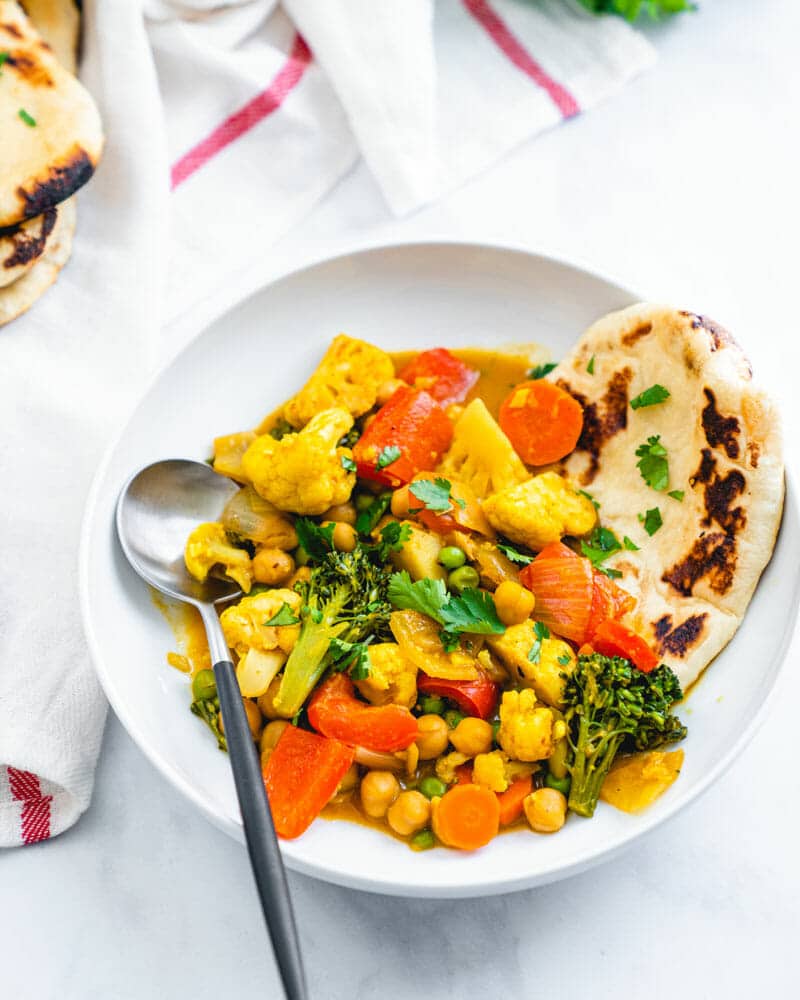
This easy vegetable curry is the best way to eat your veggies! Cauliflower, bell pepper and chickpeas swim in a flavor-packed broth.

Vegetable curry

A vegetable curry is one of the best ways to make eating your veggies taste incredible. Alex and I adore eating curry for dinner, and guess what? It’s the best way to get loads of nutrients without even noticing. This vegetable curry is so good, you’ll be shoveling it down by the spoonful. It’s full of big flavor and all the best veggies you can eat, like cauliflower, carrots, bell peppers, and chickpeas. It features crisp tender veggies in a seriously flavorful broth. Serve with naan bread or rice and it’s one of the most satisfying plant-based dinners around.

What’s a curry, anyway?

Curry is a very loose term. Per Bon Appetit, in many countries it was a word used by colonizers to simplify what they saw as foreign cuisines. Today, curry is usually a dish with a spiced sauce and meat or vegetables, often eaten with rice or flatbread like naan. Many times the spice curry powder is included in the sauce, or sometimes curry paste. The dish is made in many countries, including India, Thailand, Cambodia, Malaysia, Indonesia, and England.

Ingredients in this vegetable curry

Knowing curry has a loose definition, Alex and I designed this vegetable curry to include a sauce with curry powder and feature a variety of healthy vegetables. This curry features crisp tender veggies and a flavorful broth. It’s important to note that it’s not as thick of a sauce as with a tomato or coconut milk-based curry, like our cauliflower curry or chickpea curry.

Here’s what’s in this vegetable curry:

Vegetable curry

What to serve with curry? Rice, naan, and more.

What to serve with this vegetable curry? There are a few options, depending on how much time you have. Alex and I created a new homemade naan recipe especially to go with this curry, which we’d reserve for dinner parties or weekend dinners. But it’s fun to make an oh so tasty! Here are our recommendations for serving this veggie curry:

  • Naan bread: Store-bought naan bread is a great quick side dish for this vegetable curry. Or, use our *new* Garlic Naan.
  • Rice: Start a pot of rice before you even begin prep, and let it cook while you make the curry. Brown generally takes about 30 minutes with our quick method (below), and white takes about 15 minutes. Here are several methods for doing it:
  • Quinoa: We’ve eaten it with quinoa and while not authentic, it tastes good and is very filling! Try our Basic Quinoa or Instant Pot Quinoa.
Garlic naan
This homemade garlic naan is delicious when you have time: it’s perfect for dinner parties!

Is this curry spicy?

Well, yes and no! The heat level in this vegetable curry is directly related to the curry powder that you use. Here’s the thing: some curry powders are spicy, some are mild. It really depends on the brand! And there’s no way to know based on the label. So, you’ll have to do some trial and error to find the curry powder brand you like with a heat level that works for you and your fellow eaters.

Make ahead and storage info

Can you make this vegetable curry ahead? Yes! To meal prep, you can easily make it 1 day in advance and refrigerate until serving. Then just reheat it gently in a skillet, being sure not to overheat it so that the sauce doesn’t evaporate. Leftovers stay good for about 3 days in the refrigerator.

You also can make rice in advance if you’re serving with rice! To reheat the rice, place it in a pan on the stovetop and add a splash of water. Heat gently for a few minutes until the water evaporates and the rice is warmed through.

Vegetable curry

More vegetable curry recipes

We have a few other flavorful curry recipes that have become fan favorites! So if you’re looking for another type of curry, here are a few you might like (all of them are plant-based / vegan recipes):

  • Easy Chickpea Curry This chickpea curry is the ultimate healthy and easy weeknight dinner! It’s vegan, full of flavor, and done in 20 minutes!
  • Quick Coconut Lentil Curry Here’s a lentil based curry that’s flavored with coconut and curry paste. A fast and easy dinner idea perfect for weeknights!
  • Coconut Cauliflower Curry Everybody loves this one! It’s an easy dinner recipe is warm-spiced, nutrient packed, and ready in just over 30 minutes.

Is this an authentic Indian curry?

Is this vegetable curry authentic? As we mentioned above, curry is a loose definition and there are many varieties. While this isn’t a 100% authentic Indian curry, it uses the flavors of Indian cuisine to make a fast weeknight dinner. For an authentic Indian dinner recipe from an Indian chef, head to our Masoor Dal (Indian Red Lentils). Another great resource for authentic Indian recipes is chef and author Madhur Jaffrey.

This vegetable curry recipe is…

Vegetarian, vegan, plant-based, dairy-free and gluten-free.

Print
Vegetable curry

Easy Vegetable Curry


1 Star2 Stars3 Stars4 Stars5 Stars (5 votes, average: 5.00 out of 5)

  • Author: Sonja Overhiser
  • Prep Time: 15 minutes
  • Cook Time: 15 minutes
  • Total Time: 30 minutes
  • Yield: 3 to 4

Description

This easy vegetable curry is the best way to eat your veggies! Cauliflower, bell pepper and chickpeas swim in a flavor-packed broth.

Note: This curry features crisp tender veggies and a sauce that is broth-like. It’s not as thick of a sauce as with a tomato or coconut milk-based curry like our cauliflower curry or chickpea curry


Ingredients

  • 4 garlic cloves
  • 2 teaspoons ginger, grated
  • 1 small yellow onion
  • 1 large carrot
  • 1 red bell pepper
  • 1 small cauliflower
  • 2 cups chopped broccoli or broccolini
  • 2 tablespoons olive oil
  • 1 teaspoon kosher salt, divided
  • 2 cups vegetable broth
  • 1 tablespoon curry powder
  • 1/2 teaspoon cumin
  • 1/2 teaspoon turmeric
  • 1/4 teaspoon coriander (optional)
  • 2 tablespoons peanut butter
  • 1/2 cup frozen peas
  • 15-ounce can chickpeas
  • Torn cilantro or roasted salted cashews, for garnish
  • Serve with: white rice, brown rice, quinoa, or naan bread

Instructions

  1. Mince the garlic and grate the ginger; place them in a small bowl and set them aside.
  2. Dice the onion into bite-sized pieces. Peel the carrot and thinly slice it. Cut the pepper into large squares.  Chop the cauliflower into bite-sized florets. Cut the broccoli into florets.
  3. Add the olive oil to a large skillet and heat it to medium high. Add the vegetables to the skillet with 1/2 teaspoon kosher salt and cook for 8 minutes, stirring occasionally, until fork tender and lightly browned. Once tender, add the garlic and ginger and cook for 1 minute.
  4. Stir in the vegetable broth, curry powder, cumin, turmeric, coriander (optional), 1/2 teaspoon kosher salt, peanut butter, peas and chickpeas. Simmer for 5 to 10 minutes until the sauce is thickened just slightly. (The sauce with be brothy, not thick.) Taste and add additional salt as necessary (we added several more pinches). Spoon the veggies over rice or quinoa, along with a few spoonfuls of broth. Serve with naan bread on the side, if desired.

  • Category: Main Dish
  • Method: Stovetop
  • Cuisine: Indian

Keywords: Vegetable Curry

More healthy dinner ideas

This vegetable curry is a healthy plant-based dinner recipe that features tons of nutrient-rich vegetables. Here are a few more healthy dinner ideas that are also vegan and plant-based:

A Couple Cooks - Healthy, Whole Food, & Vegetarian Recipes


from A Couple Cooks https://ift.tt/2W7k1JT

SFA News Live: Le Bread Express

Le Bread Express founder and CEO Benoit Herve speaks with SFA News Live about the company's microbakery "Bake Xpress" and how it differentiates itself from a normal vending machine. They also discuss increasing consumer desire to know the ingredients of food products. 


from Food Trends https://ift.tt/39IfLEk

Detroit-Style Pepperoni and Pickled Pepper Pan Pizza

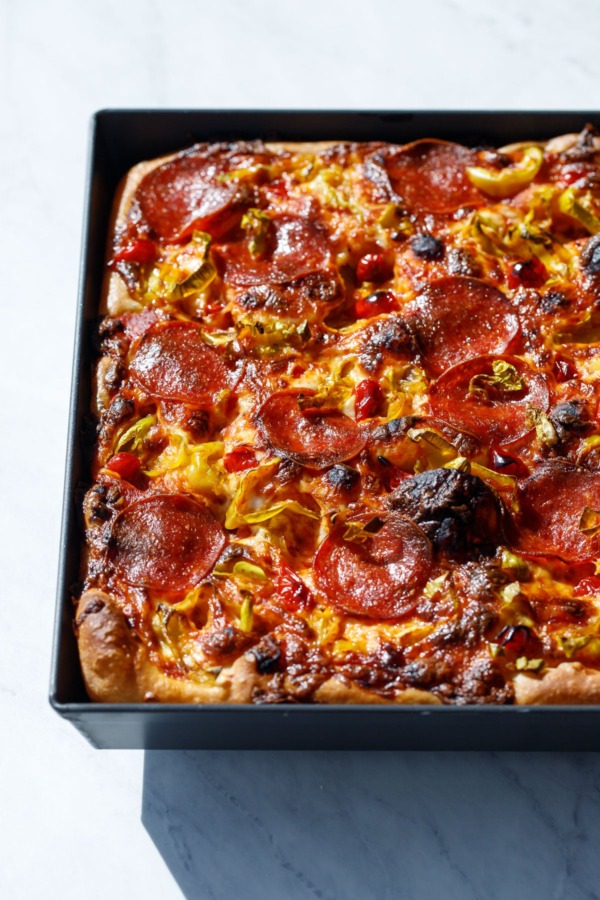
A Detroit-style pizza is characterized by its thick, chewy crust with bits of crunchy cheese caramelized around the edges. Here we’ve topped it with a savory and tangy mix of pepperoni and two kinds of pickled peppers.

When you’re craving a hearty pizza with a thick and chewy crust, look no further than Motor City, USA.

Detroit-style pan pizza styled in harsh light topped with pepperoni and pickled peppers.

Peter Piper picked a peck of pickled peppers and put them on a pan pizza with some perfectly puckered pepperoni.

Now that’s one tongue-pleasing tongue twister.

Lifting a slice of pan pizza out of the pan, showing the pockets of melted cheese in the crust.

Detroit-style pizza is a lot like what some may call Sicilian style or grandma pizza (in fact I’d call Detroit-style pizza the descendent of Sicilian pizza), with a thick chewy crust baked to crispy perfection in a rectangular pan. Toppings will run the gamut as will the order in which they are layered (some call for meat first and then cheese, some dribble a few ‘racing stripes’ of sauce over the meat and cheese, while others, myself included, prefer the more traditional sauce-meat-cheese schematic).

But whatever you call it and however you assemble it, there’s no denying it is downright delicious.

One characteristic of this particular recipe versus other kinds of pizza is the addition of extra cubes of mozzarella cheese pressed right into the crust, resulting in pockets of melty cheese that caramelize to a crisp where they meets the edges of the hot pan. While the original recipe has more cheese cubes on top, we liked it better with shredded cheese on top.

(more…)


from Love and Olive Oil https://ift.tt/334jQ3r

Specialty Salt: What Buyers Should Know

Suppliers and retailers seek unique varieties and blends to differentiate their offerings.

Retailers and suppliers of specialty and artisan salts are reaping the benefits of increasing consumer interest in the pedigree of the foods they eat.

Many of these salts tout their minimal processing and discreet place of origin, appealing to consumers seeking more natural foods overall. As the category has grown and consumers have become more knowledgeable about the nuances that distinguish various types of salt on the market, suppliers have expanded their offerings to include more colors, textures, and flavors.

“When we first started, it was a huge educational process for the customers,” says John Tarallo, founder of Pittsburgh’s Steel City Salt Co., a salt supplier that opened its first retail store about 18 months ago. “Not many people knew about salts, and the ones that did, didn’t know much. Now they are interested in the origins of products, and they are much more educated about salts.”

Tarallo launched Steel City in 2014 by offering a handful of imported specialty salts to restaurants, but he soon found strong consumer demand via an outdoor stand in Pittsburgh’s Strip District, a local food market. It led to the opening of the brick-and-mortar location. He is among the many suppliers and retailers in the industry that have seen consumer interest in gourmet and craft salts continue to expand.

Adding Texture
Salt either comes from the ocean or from the mining of former ocean beds and can be processed in several ways. Artisanal salts are generally those that are considered to be crafted by hand using traditional methods. Fleur de sel, for example, is made by skimming the delicate salt flakes that float at the top of shallow coastal pools.

Although craft salts embody a range of subtle flavors and other qualities that affect how they interact with other foods, often the most sought-after attributes of many specialty salts are their color and texture. Colors can range from white to various shades of pink or red to black, depending on the trace minerals that are contained in the salt naturally, or how they are processed. Himalayan salt, for example, obtains its pink color naturally from its mineral content, while most black salts are mixed with activated charcoal.

Texture—especially crunchiness—has also become a more important attribute for consumers. “The finishing salts, especially the flaky and the very coarse salts, are becoming popular,” says Brett Cramer, co-founder of salt supplier The Spice Lab. “Texture is such a huge component in cooking, and a nice, crunchy salt takes it to the next level.”

Salts have slight taste differences that stem from the trace minerals in the water or the ground from which they are harvested and, as consumers learn about these variations, as well as how different salts affect the flavor of other foods, they are stepping up their demand for high-end, region-specific varieties.

“We are selling more quality products into more and more stores,” says Mark Bitterman, author of a comprehensive book about salt, and founder and CEO of The Meadow, which operates two specialty food stores in Portland, Ore., where it is based, and one each in New York and Tokyo. “I think the market has more ground to gain.”

Ben Jacobsen of Portland, Ore.-based Jacobsen Salt Co., says his company “continues to gain market share and traction.”

“The most significant trend we are seeing is people continuing to see the power and importance of using great salt in every meal,” he says. “Craft salts were not always widely available in the U.S. The rest of the world uses good salt in everything. Why shouldn’t we?”

Interest in Blends
Some salts that were once considered specialty have become much more mainstream, says Cramer of The Spice Lab. Pink Himalayan salt, for example, has become so ubiquitous that it is no longer the novelty it was just a few years ago, although it is still prized for its color and its delicate flavor. “The customer is still buying it, and we’re selling more now than we did three years ago, but it’s available in thousands of different places,” he says.

Instead, Cramer and other retailers and suppliers say they are seeing increasing interest in spice blends and rubs that incorporate gourmet or artisanal salts.

Tarallo says Steel City’s salt and spice blends—all of which he produces in-house—have become the dominant portion of his business. The company’s best seller is its Steeltown Garlic & Herb flavor, which is made using Himalayan salt.

One of the newer blends is Dill Pickle Salt, which is made using a Sicilian salt as a base and combined with dill and coriander. “It tastes just like a dill pickle, but it’s great for fries and popcorn,” among other uses, Tarallo says.

He says blends may be popular among consumers who are unsure about exactly how to use other gourmet or artisan salts. “People might say, ‘I could get this coarse Peruvian salt, but I’m nervous. Let’s try the Garlic and Herb first. It’s easier, I can put it on everything, and if I like that, I can try something else,’” Tarallo continues.

He is always on the lookout for unique salts from around the world, such as Sal de Gusano from Oaxaca, Mexico, which is ground with agave worms and roasted chilies, yielding a smoky and earthy flavor. The salt is particularly favored by drinkers of mescal. “It’s pretty difficult to find, but when they find it, they buy it up,” says Tarallo.

Custom Blends
One of the growing parts of The Spice Lab’s business is creating custom blends for retailers to use in their prepared foods operations.

“We do custom blends specifically for [clients] so that their customer gets a blend that’s unique in the marketplace, and they love that,” Cramer says.

Jacobsen Salt Co. seeks to distinguish itself with an assortment of GMO-free seasoning blends, including Steak, Seafood, Taco, and Ramen varieties. Infused salts including Black Garlic, Rosemary, and Black Pepper are also among top sellers. This year, Jacobsen has more seasonings planned, as well as collaborations with other spice companies such as Diaspora Co., and Burlap & Barrel.

Cramer says many consumers have become accustomed to specialty salts having a particular hue and might not be aware that some of the best, most interesting salts on the market are actually white.

To gain more traction for his company’s less-colorful salts, he’s offering a fleur de sel from South America that he’s co-branding with celebrity chefs, including Curtis Stone and Wolfgang Puck. “When they say it’s good, people will buy it,” says Cramer. “If I say it’s good, who the heck is Brett saying this white stuff is any good?”

Emerging Flavors
Mark Zoske, founder and CEO of gourmet salt producer SaltWorks, says he expects to see the demand for smoked and flavored salts—as well as flaky sea salt and pink Himalayan salt—continue to rise, especially as consumers seek out higherquality ingredients. Flavor preferences in the coming years will lean toward savory, smoky, and umami flavors; bold and spicy flavors; and international flavors, he says.

Among the flavors in the company’s Fusion Flavored Sea Salt line are Black Garlic, White Truffle, Wild Porcini, Ghost Pepper, and Thai Ginger. SaltWorks also recently introduced a cold-smoking technique it calls Perfect Smoke Technology that uses “real wood and premium salts,” Zoske says.

CPG manufacturers are also making increasing use of specialty salts, he says. The company supplies brands such as Pipsnacks that are seeking high-quality, clean-label ingredients.

“We’re working with a lot of manufacturers who are looking to feature gourmet salt like Pink Himalayan Salt or a flaky sea salt in their products,” Zoske says. “Gourmet flavors like black garlic, truffle, and even ghost pepper are being used in everything from chocolates and nut mixes to popcorn and potato chips.”


Specialty Salts Gain Traction on Restaurant Menus

Fine-dining restaurants have long highlighted some specialty salts on their menus, but more fast-casual and quick-service restaurant concepts are following suit, says Mark Zoske, founder and CEO of gourmet salt producer SaltWorks.

“Sea salt’s clean label aligns with the growing trend for menu transparency and better-for-you ingredients,” he says. “As consumers become more food-savvy and foodservice operators adjust their offerings to reflect shifting consumer demand, we will start to see gourmet salt mentioned more frequently as a descriptor on menus, especially fast casual and quick service. It’s only a matter of time before America’s favorite fast-food chains start offering items like French fries with truffle salt or chocolate chip cookies with flaky sea salt.”

Data from research firm Datassential shows that the trend may already be beginning to take hold. Casual sports-themed chain Buffalo Wild Wings featured sea salt on its All American Cheeseburger, and Starbucks included sea salt in its Salted Caramel Malted Frappucino.

Some other examples of specialty salts appearing on menus in the past year include:

  • The A.M. Superfoods Bowl from First Watch included a chia seed pudding topped with granola and fruits, served with whole-grain artisan toast topped with almond butter and Maldon sea salt.
  • The Kitchen Sink Cookie from Panera Bread was a shareable treat made with semi-sweet chocolate, milk chocolate, caramel pieces, pretzels, and finished with flake salt.
  • Burger chain Red Robin featured red Hawaiian sea salt in its Salted Caramel Milkshake.
  • Fine-dining chain Village Tavern offered a Fish & Chips dish that included French fries with Mediterranean sea salt.
  • Vitality Bowls Superfood Cafe used pink Himalayan salt on its Avocado Toast Panini, which also included smashed avocado, fresh lemon, olive oil, and hemp seeds on whole wheat or gluten-free toast.

Specialty salts also add color and flavor to cocktails, such as:

  • Fig & Olive’s Escape to Provence, featuring Belvedere vodka, rosemary, honey, sea salt, grapefruit juice, lemon juice, pink peppercorn, and aromatic bitters.
  • The Top Shelf Black Diamond Margarita from Houlihan’s, which is made with Maestro Dobel Diamante tequila and Cointreau and finished with a black salt rim.

Datassential’s research shows that nearly all varieties of specialty salts have been gaining penetration on restaurant menus. In the past year, only Himalayan salt saw a decrease in menu penetration, although it was up more than 300 percent in the last four years. Top gainers in the past year include pink salt (up 150 percent), flake salt (up 200 percent), and Hawaiian salt (up 50 percent), although each has menu penetration of less than 0.1 percent. Sea salt has the highest penetration of any specialty salt variety at 13.8 percent, which reflects growth of 8 percent in the last year and 42 percent in the last four years.


Telling Salty Stories at Retail

Retailers should be ready to explain what differentiates their specialty and artisanal salts, while keeping in mind that their customers may be coming to the table armed with considerable knowledge already.

“It’s always been the consumer leading this [trend toward craft salts],” says Mark Bitterman, founder of The Meadow, a four-store specialty retailer known for its carefully curated salt selection. “Consumers are attuned with aligning the food that they buy, and cook with, with their values.”

He says he seeks to instill an air of discovery and learning in his stores that appeals to today’s curious shoppers. “We are focused on engaging with every customer we see, trying to respect people’s intelligence and the joy of discovery,” says Bitterman.

Ben Jacobsen, founder of craft salt producer Jacobsen Salt Co., agrees that retailers should be prepared to talk with customers about the origins of the salt, how it’s made, and why it’s special. As a practical matter, he suggests encouraging consumers to taste gourmet and artisanal salts by sampling salts sprinkled on a buttered baguette.

When it comes to merchandising, Mark Zoske, founder and CEO of gourmet salt supplier SaltWorks, suggests that retailers can drive incremental sales of specialty salts through seasonal cross-promotional opportunities. “For example, during the summer months or tailgating season, sales of smoked salts could increase if they were also promoted in the butcher section,” he says. “Similarly, flavored gourmet salts could be promoted during the holidays for everything from fancy cocktails to desserts.”


Mark Hamstra is a regular contributor to Specialty Food.


from Food Trends https://ift.tt/2Q1vl6b

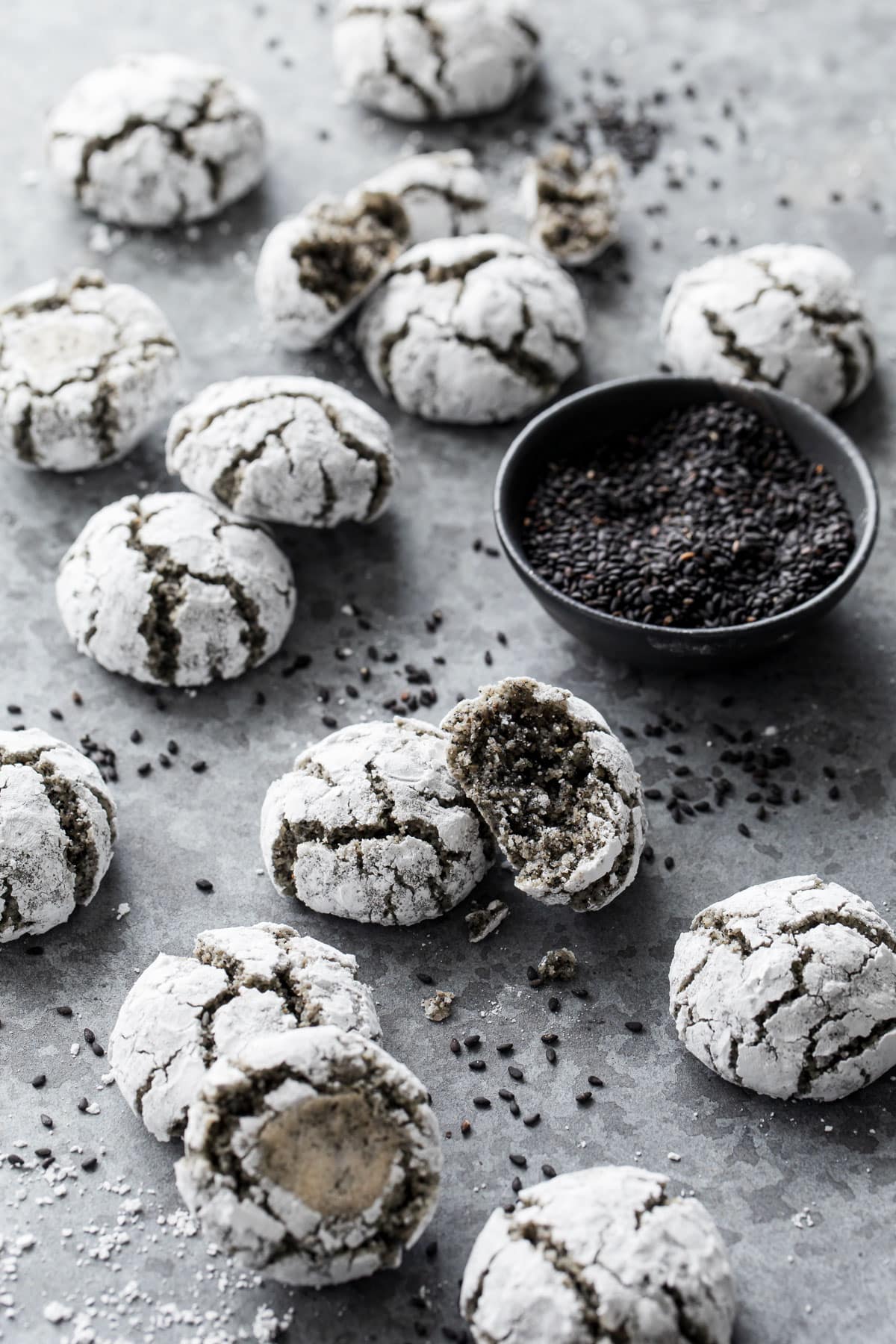
Black Sesame Amaretti Cookies

Amaretti are some of my favorite cookies for a reason: they are ridiculously simple to make, with only 3 main ingredients—plus the black se...