Mussels Steamed in Beer with Bacon 

This quick, easy mussel dish combines two popular ingredients: bacon and beer. It’s a satisfying main course or flavorful appetizer. The farmed mollusks are readily available and inexpensive. Garlicky toasted French bread to soak up the sauce is a must.   

See other related recipes in Prepared Food Focus: Sustainable and Satisfying 

Prep time: about 20 minutes
Yield: 4 servings as an appetizer; 2 servings as a main course
Shelf life: 1 day

Ingredients

4 ounces smoky slab bacon, cut into lardons
1 to 2 tablespoons olive oil, as needed
white and pale green parts of 1 leek, thinly sliced (1/2 cup)
1 tablespoon finely chopped garlic
2 tablespoons each chopped flat-leaf parsley and fresh thyme leaves, plus additional for garnish
2 pounds farmed mussels, scrubbed and debearded
9 (12-ounce) bottles IPA beer
6 ounces chicken or fish stock
1/3 cup heavy cream
3 tablespoons whole-grain Pommery mustard
generous pinch red pepper flakes
sea salt and freshly ground black pepper
8 (1/2-inch thick) slices French bread rubbed with olive oil and garlic and grilled or toasted

Method

  1. In a large pot over medium-high, combine the bacon and 1 tablespoon of the oil. Saute the bacon until it starts to brown and is almost cooked through, about 4 minutes, stirring occasionally. Remove with a slotted spoon and set aside. 
  2. Add enough oil to the pan to have about 2 tablespoons of fat. Stir in the leek and cook until wilted, 5 minutes. Add the garlic and herbs, cook for 30 seconds, and then add the mussels in a single layer. Pour in the beer and stock, cover, and cook over high heat or until the mussels have opened, about 5 minutes, shaking the pan a few times. With a slotted spoon, remove them to bowls. Discard any that don’t open.
  3. Stir in the cream, mustard, and red pepper flakes. Bring the liquid to a boil and reduce to the desired consistency. Return the bacon to the pan to heat through. Season to taste with salt and pepper, spoon the sauce over the mussels, and garnish with the remaining herbs. Serve with toasted or grilled French bread.


from Prepared Food Recipes http://ift.tt/2xK9u89

Prepared Food Focus: Super Bowls

Meals conveniently tucked into portable bowls are fast becoming the new “it” food in restaurants and grocery stores. Consumers want power meals that they don’t have to invest the effort or money to make from scratch and that can be adapted to suit dietary preferences. When locally grown produce and artisanal products are included, the appeal is even greater. These three recipes make the most of the trend, with options for breakfast, lunch, and dinner. 

Try the Recipes:


from Prepared Food Recipes http://ift.tt/2hw61US

Farro and Garbanzos with Roasted Vegetable Ragout and Harissa-Yogurt Topping

Oven-roasted, caramelized spiced vegetables spooned over orange and mint-scented farro creates a robust, exotic main course that can be served at room temperature or heated. A drizzle of harissa yogurt and toasted almonds as the final garnishes add layers of texture and flavor. If desired, serve with sauteed diced chicken for a more substantial dish.

See other related recipes in Prepared Food Focus: Super Bowls 

Yield: 4 main course portions
Prep time: About 1 hour
Shelf life: at least 3 to 4 days when the farro and vegetables are refrigerated separately

Ingredients

For the ragout
10 ounces trimmed and cored fennel, halved lengthwise and sliced into thin wedges, fronds reserved
9 ounces zucchini cut into ½-inch slices
8 ounces red onion, sliced crosswise
6 ounces carrots, cut diagonally into ¼-inch slices
3 to 4 tablespoons extra-virgin olive oil, divided
salt and freshly ground black pepper
2 teaspoons ground cumin
1½ teaspoons ras al hanout
¾ cup pearled farro
1½ cups water
½ cup freshly squeezed orange juice, and 1 teaspoon grated orange zest (for topping)
generous pinch saffron
salt
½ cup rinsed and drained canned chickpeas
2 tablespoons finely chopped fresh mint leaves, divided
¾ cup vegetable or chicken stock
¼ cup coarsely chopped oil-cured black olives

For the topping
5 ounces plain Greek-style yogurt, at least 2%
½ teaspoon harissa, or more according to taste
1 ounce oil-packed sun-dried tomatoes, blotted dry and finely chopped
¼ cup slivered almonds, toasted

Method 

  1. Heat oven to 400 F. Line a large jelly roll pan with foil. 
  2. In a large bowl, toss the fennel, zucchini, red onion, and carrot with 2 tablespoons of olive oil, a teaspoon of salt, freshly ground black pepper to taste, cumin, and ras al hanout. Turn to coat evenly and scrape in a single layer onto the prepared pan. Roast until tender and richly browned, 35 to 40 minutes, turning every 10 minutes. 
  3. In a saucepan over medium-high, toast the farro until it gives off a nutty aroma, about 3 minutes, shaking once or twice. Carefully pour in the water and orange juice. Add the saffron and ½ teaspoon salt and bring to a boil. Reduce the heat and simmer, partially covered, until the farro is tender and chewy, about 20 minutes. Remove from the heat and let stand for 10 minutes. Stir in 1 tablespoon of the olive oil, the chickpeas and half of the mint. Set aside.
  4. Once the vegetables are roasted, scrape them and any browned bits from the foil into a saucepan. Stir in the stock and olives and simmer to incorporate all the flavors. Adjust to taste.
  5. Prepare the topping: in a bowl, stir together the yogurt, harissa, sun-dried tomatoes, orange zest, and the remaining olive oil. 
  6. To serve, top ½ cup farro with ¾ cup vegetables, drizzle with the harissa yogurt, and sprinkle almonds and remaining mint to garnish.


from Prepared Food Recipes http://ift.tt/2zYAKQZ

Food Tech for the Future

From the farm to the table and beyond, small start-ups and large companies alike are churning out futuristic technology that holds the promise of changing the way we produce, consume, and purchase food.

Simple items like cooking oil made from insects and more complex food tech like drone-based precision farming are simultaneously advancing and shaking up the food industry. Many advances, like an artificial piece of fruit that will help keep apples, oranges, mangoes, and bananas from going bad on their voyage from farm to store, are

making the lives of food producers easier and their businesses more lucrative. Technology like a Coke bottle that takes a selfie of its drinker, on the other hand, is proving to be a great means of making consumers’ lives more entertaining.

Here are eight of the most intriguing advances in food tech and how they’re poised to shake up this ever-evolving industry.


1. Forget the Checkout 
Walking out of a convenience store without paying for items might seem counterintuitive, but Amazon plans to make it the norm. Amazon Go, the online retail giant’s answer to the c-store of the future, is poised to disrupt the brick-and-mortar retail model by getting rid of the traditional checkout process. 

Thanks to a tracking system coupled with the Amazon Go app, customers can choose items from store shelves and simply walk out with them. Technologies like computer vision, sensor fusion, and deep learning sense when items are taken from and returned to shelves, and each customer’s order is tracked in a virtual cart. Once finished, shoppers simply leave the store and Amazon charges their account and emails them a receipt. 

The store, which has experienced a few setbacks during beta testing but is set to open to the public later this year, will offer ready-to-eat breakfast, lunch, dinner, and snack options made by on-site chefs, as well as local kitchens and bakeries. Grocery items will range from bread and milk to specialty items like artisan cheeses and locally made chocolates, plus Amazon meal kits. 


2. Robot Restaurants
Momentum Machines, which describes itself as a collective of foodies and engineers with decades of experience in restaurants and robotics, is making use of artificial intelligence to disrupt the foodservice sector. The company’s first offering is a device that makes and dresses up to 400 hamburgers per hour with zero human interaction. The device makes burgers that are freshly ground; grilled to order; topped with customizable sauces, seasonings, and produce; then assembled and bagged. 

The technology has been teased for quite some time, and Momentum is finally set to open its first restaurant location in the SoMa neighborhood of San Francisco with the promise of burger prices that everyone can afford. The technology also claims to be more sanitary and expedient while offering a fresh, customizable end product. 


3. Replacing Palm Oil with Insect Fats
Edible insects are being used in everything from protein bars to baking flour, and now they’re poised to disrupt another segment of the food industry. Biteback, an Indonesian start-up helmed by millennial entrepreneur Mush’ab Nursantio, is working toward both helping the environment and addressing global food insecurity issues by creating cooking oil made with superworm fats. 

According to Nursantio, the insects are rich in healthy fatty acids and unsaturated fats, and reproduce rapidly enough to surpass palm oil in both yield and efficiency. They’re also reportedly an excellent source of iron, which could help prevent the iron deficiency that plagues more than 2 billion people around the globe. With the prevalent use of cooking oil both in home and in packaged goods, Nursantio believes Biteback could make a significant difference.

The entrepreneur also hopes to end the global dependency on palm oil and even give small farmers an extra source of income with the introduction of the bug-based oil. Large segments of rainforests throughout Southeast Asia are being cleared for palm oil plantations and a fire aimed at clearing the land caused a months-long haze crisis throughout the region. Eventually, the company hopes to create a community empowerment program and sell farming kits to locals and train them on how to grow the insects and sell them back. 


4. Service with a Flick of the Wrist
Restaurateur Danny Meyer has partnered with reservation start-up Resy to change the way restaurant employees receive information. Using technology to heighten the dining-out experience is nothing new, but New York City’s Union Square Cafe has integrated reservations, mobile payment, a point-of-sale system, and front-of-house service communications into a system that runs on the Apple Watch. 

Union Square Cafe’s managers and sommeliers don the gadget on their wrists to receive alerts every time a VIP enters the restaurant, someone orders a bottle of wine, a new table is seated, a guest waits too long to order her or his drink, or a menu item runs out. The technology is poised to eliminate operational hiccups and unnecessary steps associated with on-the-floor service. When guests have finished their meal, for example, a manager can alert the coat room attendant to fetch the guests’ coats. A manager can also ping the sommelier when a guest orders a bottle of wine instead of printing out an extraneous ticket. 

The Resy operating system will also benefit diners by allowing them to send out a text if they’re running late for a reservation, or use the convenience of Resy Pay to digitally split a check or pay individually on their phones.


5. Food and Beverage for the Selfie Generation
The art of the selfie has taken on new life thanks to technology aimed at integrating food, beverage, and self-portraits. Soft-drink giant Coca-Cola has developed a bottle with a built-in camera that automatically snaps a photo every time the user takes a sip. The selfie bottle has a sensor that detects when the bottle is at a 70-degree tilt and takes a photo that can then be uploaded to social media. While the novelty bottle was only produced in limited quantities by Coca-Cola Israel, it is offering a glimpse of things to come.

Taking the craze one step further, start-up company Selffee is working to open a New York City cafe that gives customers the ability to add a selfie image to menu items like cookies and iced coffee. Using a proprietary app, the image is printed on food items in tasteless, edible ink. The company is currently doing pop-up shops, as well as selling and shipping personalized sugar cookies emblazoned with a selfie.


6. New-School Crop Management 
Agricultural practices are constantly evolving, with water management, planting, and even harvesting becoming automated. Now drones and tiny wireless sensors are being utilized to help improve production in everything from grain to grapes. 

Student start-up Amber Agriculture has introduced technology that monitors grain being kept in storage. Amber uses pellet-size wireless sensors that are spread across the bin to monitor carbon dioxide, volatile organic compounds, temperature, and humidity, with trend lines and alerts of unusual changes being pushed directly to a smartphone app. The technology also allows farmers to operate a fan in their bins to help prevent wasted crops and lost revenue. 

Precision farming is the name of the game when it comes to improving yields in California’s drought-stricken vineyards. North Carolina-based company PrecisionHawk is partnering with Verizon and California’s Hahn Estate Winery to deploy unmanned drones that collect data to analyze the health of its crop. The aerial drones infer canopy cover to determine crop vigor while ground sensors keep track of temperature and soil moisture. PrecisionHawk is then able to run the data against its own analytics to look for patterns and anomalies and make valuable recommendations to the farmer.


7. Fake Fruit to the Rescue 
Keeping fruit fresh during transport from the farm to the store shelf can be difficult. Refrigeration within shipping containers can’t always be depended upon and current monitoring techniques sometimes don’t work. Enter the artificial fruit sensor: a faux piece of fruit that collects data about core temperatures during the journey.

While fruit core simulators are not new, this version, created by researchers at the Swiss Federal Laboratories for Materials Science and Technology, promises more precise data thanks to a filling made from water, carbohydrates, and polystyrene. Made to look like an apple, orange, mango, or banana, the sensor mimics the exact composition of the fruit it is traveling with in order to get the most accurate readings. When a shipment has gone bad, the data can be analyzed to find out where things went wrong during travel. 

Researchers are developing separate sensors for different varieties of fruit, from Jonagold and Braeburn apples to Kent mangoes and Cavendish bananas. The technology is also relatively inexpensive at around $50 per sensor, and it can be used multiple times.


8. Food Photos for Fitness
While it doesn’t work for everyone, counting calories and keeping a food diary is a proven method of losing weight, and the people behind the diet tracker Lose It! are making it even easier for users to log their meals and snacks. The company recently debuted the Snap It feature, which uses advanced image recognition technology to identify foods and report calorie levels in seconds. 

When a user takes a photo of a food, the app makes suggestions of what it could be, then offers specific options and serving sizes. After making a few choices, the food is automatically logged. Snap It’s technology includes the foods users care about most and is also able to detect multiple foods from a single image. When a user snaps a photo of a sushi dinner, for example, the app can suggest the sushi, wasabi, and ginger in one fell swoop. The user then chooses the type of sushi and how many pieces they are eating.


These and more tech-savvy companies around the globe are taking on the food industry’s biggest trends and challenges to bring producers, sellers, and consumers the technology they need—or never knew they needed. 


Emily Crowe is a regular contributor to Specialty Food Magazine.


from Food Trends http://ift.tt/2iSiUfx

Product Roundup: Chips Reinvented

The potato chip, whether thinly sliced or crinkle cut, satisfies a need for a salty, crunchy bite at any time of day.

While potato chips in general have seen something of a flavor renaissance recently—think sriracha, dill pickle, even chicken and waffles—chips that go beyond the standard potato are not to be overlooked. From chips made out of sticky rice, broad beans, or pineapples, the potato chip made from purely potato is transformed into something new and exciting, using unique ingredients to surprise and delight the palate. Here are some of the most interesting re-invented chips on store shelves today.


Dang Foods Sriracha Spice Sticky Rice Chips. With a spicy kick of garlic and chili and a tangy touch of vinegar, Sriracha Spice Sticky Rice Chips deliver flavorful heat without the burn. Made with crunchy Thai rice grains, the chips are non-GMO, vegan, dairy-, gluten-, and soy-free, and have no preservatives. Each bag of Sticky Rice Chips begins as organic Thai sticky rice that is soaked in watermelon juice and then crisped up like the toasty “bottom-of-the-pan” rice. Sticky Rice Chips contain 30 percent less fat than regular potato chips. dangfoods.com


Enlightened Cocoa Dusted Roasted Broad Bean Crisps. These sweet and spiced Cocoa Dusted Roasted Broad Bean Crisps are reminiscent of flavors straight out of your favorite childhood cereal box. Broad beans are a nutritious powerhouse packed with protein and fiber, and are lightly roasted in sunflower oil for a satisfying crunch. Cocoa Dusted Roasted Broad Bean Crisps are gluten-free and are made only with 
broad beans, sunflower oil, rice flour, Dutched cocoa, cane sugar,
and stevia. Each serving has seven grams of protein and is high in fiber. eatenlightened.com


Food Should Taste Good Pinto Bean Multigrain Bean Chips. Made with pinto beans, nutty flax seed, sesame seeds, and quinoa, these bean chips are a wholesome treat to be enjoyed as a crunchy snack on their own, or paired with guacamole or salsa. Food Should Taste Good’s Pinto Bean Multigrain Bean Chips are certified gluten-free, vegan, kosher, and non-GMO, and are cholesterol-free. Other chips in the portfolio include black bean multigrain chips, as well as tortilla and kettle chips. foodshouldtastegood.com


Jica Chips Smoked BBQ Jicama Chips. Jica Chips are the first chips made from jicama, a tasty and nutrient-dense root vegetable that is slightly sweet, much like a cross between an apple and a potato. The company uses real slices of jicama and flavors them with olive oil and gourmet spices for an authentic and natural taste. Smokey, tangy, sweet, and robust with barbecue flavor, Smoked BBQ Jica Chips are baked, not fried, and are non-GMO, gluten-free, and paleo-friendly. Jica Chips contain 30 percent less calories, five times more fiber, and 80 percent less fat than most traditional potato chips. jicachips.com


Kettle Uprooted Sweet Potato, Beets & Parsnips. Made with real vegetables and a hint of sea salt, Kettle Uprooted Sweet Potato, Beets & Parsnips chips have a natural root-vegetable taste that is full of flavor. A veggie-forward alternative to the traditional potato chip or sweet potato chip, every bag is made with gluten-free ingredients, with no preservatives or trans fat. Kettle’s Uprooted chip offerings also includes a sweet potato chip line. kettlebrand.com


Plocky’s Fine Snacks Protato Crisps. A simple blend of potatoes and organic plant protein, Plocky’s Protato Crisps are a flavorful, crunchy chip with seven grams of protein per serving. Perfect for on-the-go snacking and as an alternative to traditional potato chips, Protato Crisps are a low-fat and high-protein offering for a health-conscious lifestyle. They come in three varieties: original with Himalayan pink salt, spicy honey barbeque, and peppercorn ranch. plockys.com


Quest Nutrition Sour Cream & Onion Protein Chips. Quest Protein Chips are made with a blend of milk protein isolate and whey protein isolate, creating a way to eat chips while still leading a health-conscious lifestyle. The flavor of cool sour cream mixed with zesty green onion offers a satisfyingly savory and crunchy chip that is baked, and contains 20 grams of protein per serving. Sour Cream & Onion Protein Chips are soy-free, gluten-free, and non-GMO, and are available in a variety of flavors including cheddar and sour cream, sea salt, salt and vinegar, and barbecue. questnutrition.com


The Real Coconut Sea Salt & Vinegar Coconut Flour Tortilla Chips. Developed in Tulum, Mexico, and made in Los Angeles, Sea Salt & Vinegar Coconut Flour Tortilla Chips are made with non-GMO, organic coconut flour and cooked in organic coconut oil for an addictive crunch. The chips were inspired by Daniella Hunter, founder of The Real Coconut restaurant in Tulum. The chips are available in Himalayan pink sea salt, chipotle BBQ, cilantro lime chile, Thai green curry, and original flavors. The coconut flour chips are dairy-, gluten-, and grain-free, and do not contain refined sugar. therealcoconut.com


Rhythm Superfoods Naked Beet Chips. Made from nothing but real beets, Rhythm Superfoods Naked Beet Chips are gently dehydrated for a crunchy, naturally sweet chip, packed full of nitrates, fiber, and potassium from this naturally nutrient-dense superfood. With three grams of protein and five grams of fiber per serving, Naked Beet Chips are certified gluten-free, vegan, and non-GMO. Other Beet Chip varieties include Sea Salt and Cinnamon & Coconut Sugar. rhythmsuperfoods.com


Saffron Road Foods White Cheddar Chickbean Crisps. Chickbean Crisps are made from milled chickpeas and a colorful mosaic of real vegetables and legumes, including hearty lentils, sweet potato bits, and bright green and yellow peas. Every serving includes five grams of plant-based protein, making for a light and nutritious baked snack with a cheesy and savory flavor. Other flavors in the Chickbean Crisps lineup include Zesty Ranch, and sea salt. Saffron Road White Cheddar Chickbean Crisps are certified Halal and gluten-free. saffronroadfood.com


Sara Kay is editorial and education content associate for the Specialty Food Association.


from Food Trends http://ift.tt/2imnUVL

Maple Pumpkin Gingersnap Tiramisu Trifle.

[Thanks to McCormick for sponsoring this post! This holiday season I’ll be sharing a few more delicious recipes with their wonderful spices!]

Oh boy do I have a huge treat for you!

maple pumpkin gingersnap tiramisu trifle I howsweeteats.com

And I do mean huuuuge.

If you’re looking to serve a crowd one delicious pumpkin tiramisu dessert this season, look no further than this maple gingersnap trifle. It’s pure perfection! It has so many fall flavor layers with the maple and the pumpkin and the gingersnaps that I can’t even CONTAIN my excitement.

maple pumpkin gingersnap tiramisu trifle I howsweeteats.com #pumpkin #gingersnap #christmas #thanksgiving

My love for tiramisu has been no secret on this little space of the internet. Even waaaaay before I loved coffee, I loved tiramisu. I specifically remember ordering it at the Italian Oven restaurant (um, which I loved!) way back in the day when I was a kid. It was probably one of the first times that I could ever truly taste the liqueur in a dessert, but I liked it.

While I’ve made countless versions of tiramisu in the past, I’ve wanted to get a fall-flavored one under my belt for the holiday season. And decided to put it in trifle form!

My mom made a killer trifle in the 90s. I mean, she has probably made it since then, but for some reason I like to think that it’s a super 90s-friendly dessert. That still works today! These are great for a crowd.

They might not win any adorable appearance awards once they are served, but the taste totally makes up for that.

maple pumpkin gingersnap tiramisu trifle I howsweeteats.com #pumpkin #gingersnap #christmas #thanksgiving

Today, I’m partnering with McCormick for this post to bring you a deeeeelish recipe made with 100% pure maple syrup and McCormick’s fabulous spices. I used their Ground Cinnamon, Ground Ginger and Ground Allspice to create my own pumpkin spice blend, but in a pinch, you could also use their Pumpkin Pie Spice!

I tend to do both, depending on what the recipe is. Sometimes if I’m feeling ambitious, I’ll use a few of my favorite spices to intensify the flavor and customize it a bit. But I also always have some Pumpkin Pie Spice on hand, so it’s an easy swap.

maple pumpkin gingersnap tiramisu trifle I howsweeteats.com #pumpkin #gingersnap #christmas #thanksgiving

The biggest change here from traditional tiramisu is the use of gingersnaps! I figured that these crispy cookies were hearty enough to withhold a good rain shower of coffee and liquer without getting too mushy, and boy was I right. Since they aren’t as thick as the traditionally-used ladyfingers, they don’t necessarily seem like a full layer of cake, but they do offer a gingersnap cake-like flavor and texture.

I don’t even love gingersnaps on their own and in this recipe? Oh my word. GIVE ME ALL THE SNAPS.

maple pumpkin gingersnap tiramisu trifle I howsweeteats.com #pumpkin #gingersnap #christmas #thanksgiving

The silky mascarpone base is sweetened with maple syrup as is the whipped cream on top. The pumpkin and spices get swirled into the mascarpone as well and it is nearly impossible not to eat the entire thing with a spoon. SO GOOD.

maple pumpkin gingersnap tiramisu trifle I howsweeteats.com #pumpkin #gingersnap #christmas #thanksgiving

Hello, can that spoonful be my serving?

And while I wanted to mostly leave the chocolate out of this recipe, a heavy handed sprinkle of chopped dark chocolate on top is the perfect accompaniment. I can’t even think of another flavor mixture that I am loving more than this right now!

maple pumpkin gingersnap tiramisu trifle I howsweeteats.com #pumpkin #gingersnap #christmas #thanksgiving

Pair it with a few shots of espresso and your day will be MADE.

maple pumpkin gingersnap tiramisu trifle I howsweeteats.com #pumpkin #gingersnap #christmas #thanksgiving

Did you make this recipe?

Maple Pumpkin Gingersnap Tiramisu Trifle

Ingredients:

  • 2 1/2 cups cold heavy cream
  • 6 tablespoons maple syrup
  • 16 ounces mascarpone cheese
  • 1/2 cup pumpkin puree
  • 3/4 cup powdered sugar
  • 1/4 cup coffee liqueur
  • 1 teaspoon vanilla extract
  • 1 teaspoon McCormick Ground Cinnamon
  • 1/2 teaspoon McCormick Ground Ginger
  • 1/4 teaspoon McCormick Ground Allspice
  • 8 ounces freshly brewed espresso
  • 1 (16-ounce) box gingersnap cookies
  • instant espresso powder for sprinkling
  • chopped dark chocolate for topping

Directions:

Place the cold cream and 2 tablespoons maple syrup in the bowl of your stand mixer and beat until peaks form and you have whipped cream. Scoop it into a bowl and stick it in the fridge until you need it.

In a clean bowl of your stand mixer, beat the mascarpone cheese until it’s creamy. Beat in the pumpkin puree, powdered sugar, 4 tablespoons maple syrup, 2 tablespoons coffee liqueur, vanilla extract, cinnamon, ginger and allspice. Beat until combined and smooth. Take 1/3 of the maple whipped cream and gently fold it into the pumpkin mascarpone mixture until combined and smooth.

In a small bowl, whisk together the brewed espresso and the remaining coffee liqueur.

Line a trifle dish with gingersnap cookies in a single layer, breaking some apart if needed to cover the dish. Brush them throughly with the espresso mixture. Top with a layer of the pumpkin mascarpone mixture. Add another layer of the gingersnaps, brush with the boozy espresso and top with the pumpkin mascarpone. Repeat this step until your cookies and pumpkin mascarpone is gone, two or so more times. Top the entire trifle with the remaining maple whipped cream. Refrigerate for 4 to 6 hours before serving.

Before serving, crumble some gingersnap cookies on top and throw on some chopped chocolate. Sprinkle with instant espresso powder.

All images and text ©.

Did you make this recipe?

Be sure to follow howsweeteats on instagram and tag #howsweeteats. You can also post a photo of your recipe to the howsweeteats facebook page.

I appreciate you so much!

maple pumpkin gingersnap tiramisu trifle I howsweeteats.com #pumpkin #gingersnap #christmas #thanksgiving

The flavor makes up for the serving mess. I swear!

The post Maple Pumpkin Gingersnap Tiramisu Trifle. appeared first on How Sweet Eats.


from How Sweet Eats http://ift.tt/2A58ZHx

Purple Cauliflower & Sweet Potato Soup with Popped Sorghum

This naturally purple soup recipe is made from purple Cauliflower and purple sweet potatoes

I thing for naturally purple foods, apparently. I went purple crazy at the farmers market earlier this spring, with purple spring onions, purple cauliflower, and gorgeous purple garlic.

One thing is for sure, all that purple makes for some stunning photos.

Cauliflower is a cool weather vegetable, so it usually disappears from the local markets during the heat of the summer. But now that it’s cooling down again it’s back with gusto, including my favorite purple variety (I swear it tastes better than the white kind. Just me?) What I love most about this violet vegetable is that it holds its hue even after cooking, unlike other purple produce like asparagus and beans, making for a particularly stunning presentation.

Purple Cauliflower & Sweet Potato Soup topped with popped sorghum, crispy cauliflower and crème fraîche

This soup recipe emerged from a simple desire to make a vibrantly purple soup that highlighted the beautiful color of the cauliflower.

The recipe itself is a variation on the creamy cauliflower soup with brown butter we’ve made before. We simply swapped the purple cauliflower for the white, and also added some purple sweet potatoes for an added punch of color and flavor. Also red onion (more purple) in place of yellow and shallot instead of leek, because if 1 purple vegetable is good then 4 is better.

Purple Cauliflower & Sweet Potato Soup with Popped Sorghum and Crème fraîche

For toppings (since all creamy soups of this nature need some textural contrast to really be enjoyable to me at least), we added some crispy cauliflower, fresh chives, and drizzle of crème fraîche, and a sprinkle of popped sorghum.

Popped sorghum?!? Indeed!

(more…)


from Love and Olive Oil http://ift.tt/2gSC1li

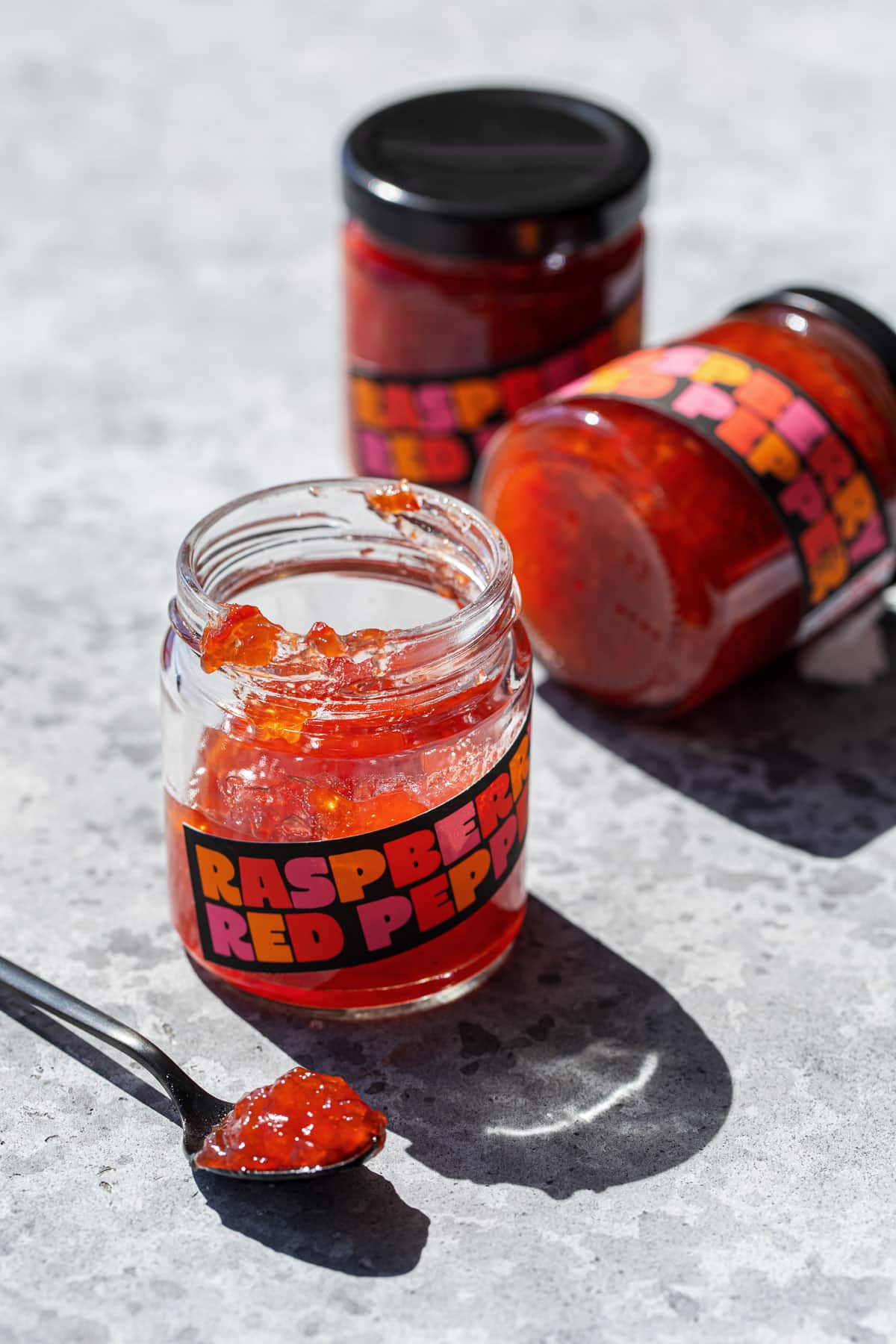
Raspberry Red Pepper Jelly

Sweet and spicy and fruity: that’s what this jelly is made of! With just the right amount of spice, balanced with sweetness and fruitiness ...