Posts
Posts


Here are the best easy recipes to make for every meal! These fast dinners, healthy lunches and quick breakfasts will get you through the day.

What are the best easy recipes to make? is a question we get a lot. In fact: it’s powered much of the work we do here at A Couple Cooks! You’re busy, and you need ideas for getting food on the table…fast. Guess what? We’re there too! We may be cookbook authors, but we’re also two everyday people who need new ideas for eating healthy on the regular.
Here are our top easy recipes for every meal of the day! Whether it’s fast dinners, easy lunch ideas or healthy breakfasts, we’ve got you covered! Here are our top picks from the website, listed with a few extra features:
- Total prep time so you know what you’re getting into.
- Related recipes that might strike your fancy. Now, let’s get cooking!
And now…our top easy recipes for every meal!

At the top of our easy recipes: try this quick Vegan Curry! Coconut milk and curry powder make healthy vegetables taste like a decadent treat. It’s an ode to the simplicity of plant-based ingredients and great seasoning. t comes out so delicious in such a short time: you’ll feel like a kitchen magician.
Also try: Easy Chickpea Curry
Total time: 25 minutes

Want those elusive recipes that are healthy, easy and delicious? Meet our new favorite: these easy Black Bean Tacos recipe! It stars our 5 minute black beans, a quick taco filling idea that’s bursting with flavor in just a few minutes. Top it with all the best taco toppings: corn, avocado, pickled onions: and a sprinkling of feta cheese.
Also try: Refried Bean Tacos
Total time: 15 minutes

This Honey Garlic Shrimp is the ultimate easy recipe! There’s nothing like the sweet savory combination of honey garlic glaze and juicy shrimp. The best part? It takes 10 minutes to make. This one is hits all the comforting, satisfying dinner notes with a lightning fast prep speed. It’s hard to find those recipes with that elusive trifecta of healthy, easy and delicious: and this one has it in spades. Make it with pan fried broccoli and rice or quinoa for a tasty meal.
Also try: Perfect Sauteed Shrimp
Total time: 10 minutes

Here’s our new favorite easy recipe: this Quick Chili! Yes, we dare say: this recipe is lightening fast. In just 25 minutes you have a fast and easy dinner recipe. All you have to do is cut one onion: otherwise it’s dump and stir. Even better: the flavor is fantastic! There’s nothing about it that tastes like a short cut. Every time you make it, you'll think: Wow, that was easy.
Also try: 3-Bean Healthy Chili or Chili Baked Potatoes
Total time: 25 minutes

Here’s one to file under dinnertime basics: this Easy Rice Bowl! This 30 minute dinner features these easy black beans, a trick to make a bland can of beans taste amazing in 5 minutes. Pair it with rice and colorful veggies. The kicker? A zingy cilantro lime ranch that you’ll want to bathe in. These were so tasty and easy, we knew we had to share (we simply inhaled them).
Also try: Greek-Style Grain Bowl
Time to make: 30 minutes

The ultimate in easy recipes? Grilled cheese! Simply adding an avocado and tomato to a standard grilled cheese makes it fit for serving to company! Although it’s a simple dish, grilled cheese can be gussied up as much or as little as you like. Serve this avocado grilled cheese with tomato alongside a bowl of homemade tomato soup or a green salad, and you’ve got instant dinner.
Also try: Spinach Artichoke Grilled Cheese
Total time: 10 minutes

Can you have too many easy recipes? We don't think so. This 20-minute creamy goat cheese pasta is so tangy and creamy, sweet from the tomatoes and lightly peppery from the fresh basil. The secret to the creaminess is that goat cheese, which brings a body to the sauce that’s almost like a vodka sauce. Combined with chewy penne, it’s out of this world!
Also try: Creamy Instant Pot Pasta
Total time: 20 minutes

Here’s a method every cook should know: how to make basic Pan Seared Salmon! This is one of the best ways to cook salmon in a flash because it’s fast, it’s easy, and it results in incredible flavor. Plus, you get the perfect crispy crust on the salmon. The perfect easy dinner recipe. Top with Lemon Dill Sauce to get fancy.
Also try: Blackened Salmon, Quick Broiled Salmon or Pan Fried Cod
Total time: 20 minutes

Looking for a healthy and easy weeknight recipe? Try this shrimp and broccoli! The pair are cooked with soy sauce and and rice vinegar until bright and savory. The contrast of the crisp tender broccoli against the juicy shrimp is really something. Serve it with rice or noodles to make it a complete meal that comes together quickly!
Also try: Easy Pesto Shrimp

There is nothing quite like seared tuna as an easy dinner recipe! Seared ahi tuna is one of the most delicious foods on the planet, and it literally cooks in less than 5 minutes! Put it together with leftover veg or rice and you’ve got a quick dinner.
Also try: Poke Bowl Recipe
Total time: 5 minutes

This 5-minute easy recipe works as a breakfast idea, an easy lunch, or a fast and easy dinner! Yes, it's all three at once. (Audible gasp.) Meet these amazing egg tacos! Did you know that eggs can taste like taco meat? Yes, somehow the spiced scrambled eggs filling channels the flavor of taco meat plus chorizo.
Also try: 5 Minute Tacos
Time to make: 5 minutes

Here’s our ultimate fast and easy recipe: Naan Pizza! Get this: it’s faster than delivery pizza, healthier, and it tastes better. So why order out when you can make tasty pizza in? It’s for those nights where you need dinner on the table without thinking too hard. Packaged naan bread is easy to find these days, making it easy to run to the store on a naan pizza run.
Also try: Flatbread Pizza
Total time: 15 minutes

Here's a go-to easy recipe: try this pesto salmon! Bright green pesto goes hand in hand with tender baked fish to make a stunning dinner. Because really: what isn’t better with a little pesto on top? It’s mid-summer here and we’re making all the pesto with our overactive basil plant. The savory, garlicky sauce makes the flaky fish pop: you’ll already be taking your second bite before finishing the first.
Also try: Lemon Dill Salmon
Total time: 30 minutes
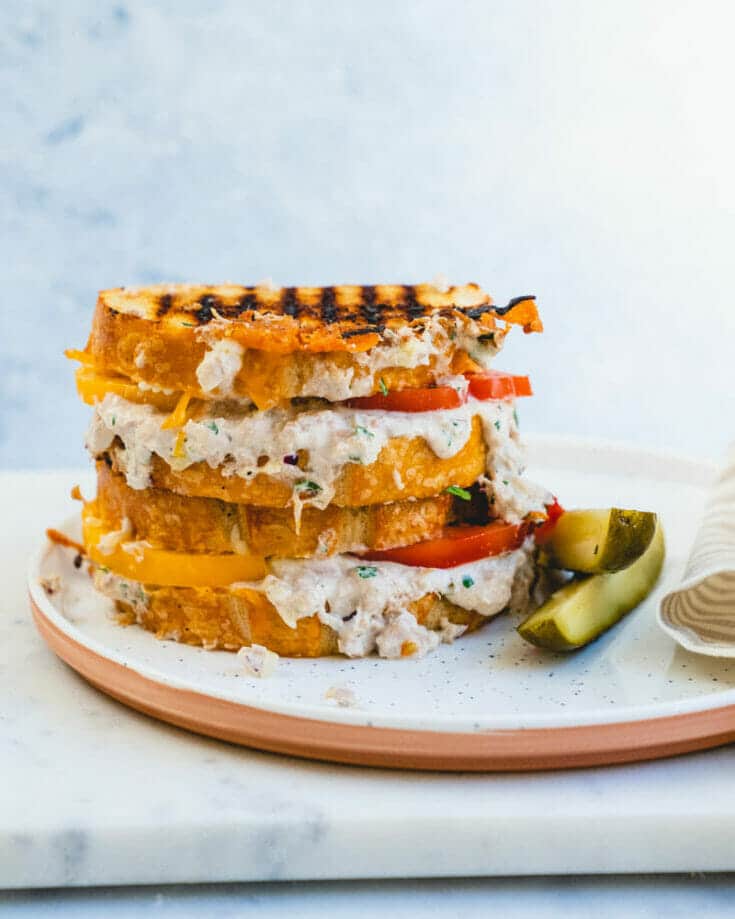
Is it odd to count a tuna melt in your “best of” foods? Because this tuna melt: this is the stuff dreams are made of. This humble tuna melt is one of our very favorite easy recipes! Between crusty bread is sandwiched a creamy, gooey mess so perfectly seasoned that you won’t be able to stop taking bites.
Also try: Ultimate Tuna Salad Sandwich
Total time: 15 minutes

No one’s going to complain about more quick and easy recipes, right? This one the ultimate quick weeknight meal, a filling vegetarian dinner that comes together in 20 minutes flat. Meet this soba noodle bowl! It’s filled with stir fried broccoli, red pepper and onion, mix with a savory sauce with creamy peanut butter. Even better: eggs are scrambled right into the mix (like fried rice, but with noodles!).
Also try: Quick Soba Noodles
Total time: 20 minutes

Let's switch gears to easy lunch recipes. Try this Ultimate Avocado Sandwich, aka the Avocado Club! Simply slapping an avocado on a sandwich is not as delicious as it sounds. So here's a tasty Avocado Club: full of umami flavor and so satisfying that it surprised us both. The combination of smoky, rich, hearty, crunchy and savory is so irresistible…you’ll want to eat it all over again once it’s gone.
Also try: Avocado Toast with Egg or Avocado Tuna Salad
Time to make: 10 minutes

Here’s the most perfect easy egg salad recipe, perfect for lunches! You might not think you need a recipe for egg salad. (And you don’t.) But for the best flavor that works ever time, here’s one you can bookmark and make on repeat. It’s ultra creamy and savory, made with mayo and Greek yogurt to up the creaminess factor. It’s got just the right balance of fresh herbiness with savory Dijon mustard.
Also try: Ultimate Egg Salad Sandwich
Total time: 20 minutes

Looking for healthy and easy lunch recipes? Here’s a genius idea for busy days or even a lightening fast weeknight dinner. This Ultimate Hummus Sandwich! That’s right: hummus on a sandwich. You don’t have to reserve hummus just for carrots and pita triangles! It works as a sandwich spread that’s full of plant-based protein to keep you full for hours. Throw it on bread with all your favorite crunchy veggies and it’s a lunch or snack that couldn’t be easier to whip up.
Also try: Homemade Hummus and pita bread
Total time: 10 minutes

Ready for one of our best quick fix meals? This simple chickpea salad. Making “real” recipes, and throwing together a 5 minute fast lunch are equally as valid as fancy recipes like sourdough bread and artisan pizza! How to make a quick lunch or dinner out of nothing? It starts with a can of chickpeas.
Also try: Easy Canned Chickpeas
Time to make: 5 minutes

Easy lunch ideas can be hard to come by. This is especially true when we’re packing lunch for our son’s school. So this new Mexican pinwheel recipe is all about making a healthy lunch as fast as possible. The pinwheels are packed with healthy veggies rolled into a tortilla with a bit of hummus: and MAN, they are so tasty!
Also try: Hummus and Veggie Roll Ups
Time to make: 10 minutes

Here’s one of our favorite easy lunch tricks ever: is this chickpea salad sandwich! It’s basically a vegetarian chicken salad sandwich, but uses chickpeas instead of chicken. It’s so tasty, it’s become one of our most popular chickpea recipes!
Total time: 10 minutes

Want to eat more breakfast vegetables? Try this easy Breakfast Vegetable Scramble! You can make it two ways: with eggs or tofu, depending on your diet. It's loaded with nutrients and a great way to start the day.
Also try: Easy Tofu Scramble
Total time: 15 minutes

This easy breakfast sandwich absolutely deserves its 5 minute recipes moniker because it is truly quick. This is barely a recipe, but if you're anything like us, you’re always in need of creative ideas in the kitchen. With that in mind, we’ve got a 5 minute –yes, really 5 minute — healthy breakfast sandwich for you for those days you’re in need of a quick fix.
Also try: Omelette with Greens
Total time: 5 minutes

The ideal healthy easy breakfast? Oatmeal. We are big fans in this household. Why? It’s whole grain, filling, healthy, gluten-free and plant-based. It powers us every day! This easy oatmeal with a chewy texture and a toasty flavor is what makes our perfect bowl. Here we’ll break down the different types of oats and share our master recipes for how to make the best oatmeal around.
Also try: Best Oatmeal Recipes, Banana Oatmeal, Overnight Oats or Basic Oatmeal
Total time: 10 minutes

Last up in our easy recipes...these 3 ingredient oatmeal bars! These are big winners in our house, quickly solidifying themselves into the weekly repertoire. These breakfast bars star peanut butter, honey, and Old Fashioned oats, and they’re a healthy breakfast or snack you can feel good feeding yourself or your family.
Also try: Cashew No Bake Energy Bars
Total time: 20 minutes (5 minutes active)
More easy recipe inspiration
Didn’t find what you were looking for? We didn’t even get to side dishes, salads, snacks, and more! Here are a few more simple ideas in different categories:
- 15 Easy Breakfast Ideas Start the day out…simply!
- 20 Easy Vegetarian Lunch Ideas or 15 Easy Vegan Lunch Ideas Our top ideas for midday inspiration.
- 13 Easy Salad Recipes or 35 Easy Side Dishes are perfect to accompany the dinners above.
- 13 Easy Gluten Free Snacks are great for noshing.
- 3 Ingredient Recipes keep things easy.
- Simple Recipes Perfect for Dinner or Easy Weeknight Dinners are some of our fastest.
- Best Fast & Easy Dinner Ideas include all of our fan-favorite ideas.

25 Easy Recipes & Quick Curry!
 (5 votes, average: 5.00 out of 5)
 Prep Time: 10 minutes
- Cook Time: 12 minutes
- Total Time: 22 minutes
 Yield: 4
- Diet: Vegan
 Print Recipe
 Pin Recipe
Description
This quick veggie curry recipe is full of healthy vegetables and big flavor: and it takes under 25 minutes! The perfect fast and easy recipe.
Ingredients
- White or brown basmati rice, to serve*
- 1 yellow onion
- 2 medium bell peppers (we used 1 yellow and 1 orange)
- 1 large garlic clove
- 1 teaspoon grated ginger
- 1 tablespoon olive oil
- 6 cups (5 ounces) baby spinach leaves (or chopped spinach)
- 28-ounce can crushed fire roasted tomatoes (or best quality crushed tomatoes)**
- 1 tablespoon curry powder (or garam masala)
- 1 teaspoon cumin
- 3/4 teaspoons kosher salt
- 1 15-ounce can chickpeas
- 1 cup frozen peas
- 3/4 cup full fat coconut milk
Instructions
- Cook the rice: If serving with rice, start the basmati rice (or use an Instant Pot.)
- Prep the vegetables: Dice the onion and bell peppers. (For super speed, you can go to Step 3 and mince the garlic and ginger while they cook.) Mince the garlic. Peel and mince the ginger (or grate it).
- Saute the veggies: In a large skillet, heat the oil over medium high heat. Add the onion and peppers saute for 5 minutes. Add the garlic, ginger, and spinach and saute for 2 minutes until the spinach is fully wilted.
- Simmer: Carefully pour in the crushed tomatoes and their juices, then add the curry powder, cumin, salt, chickpeas, peas, and coconut milk. Cook for 5 minutes until bubbly. Remove from the heat. If desired, stir in a little more coconut milk (depending on the tomato brand*). Serve with rice.
Notes
*Or make the rice in advance, which is helpful for brown rice because it takes longer to cook. To reheat the rice, place it in a pan on the stovetop and add a splash of water. Heat gently for a few minutes until the water evaporates and the rice is warmed through.
 Category: Curry
 Method: Stovetop
 Cuisine: Indian inspired
Keywords: Easy recipes
A Couple Cooks - Healthy, Whole Food, & Vegetarian Recipes

from A Couple Cooks https://ift.tt/3bjKMSM